
If your client won’t pay your invoice, you’re at risk of it becoming a bad debt. But the difference between an unpaid invoice and a bad debt can be as simple as how you approach debt recovery – and how quickly you act.
This post contains some tips to deal with a client that won’t pay an invoice.
Table of Contents
No Cost. No Obligation.
100% Confidential.
What to Check First If a Client Won’t Pay
If your client won’t pay, it’s important to make sure that you haven’t inadvertently done something that would slow down the payment. Before moving to formal debt recovery, make sure you’ve covered the basics:
- Are your invoices raised in exactly the right name? Contact the finance department if you’re not sure.
- Do your invoices have all the information the customer requires? This might be specified in your contract.
- Has the customer confirmed receipt of the invoice? If not, call them and ask them if anything is unclear.
- Are you certain there are no queries or disputes? A misunderstanding or disagreement could cause late payment, and sometimes resolving the problem will lead to payment.
- Do you have proof of delivery for goods, or a signed order for services? Documentation always helps when issues arise.
- Do you believe the customer actually has the funds to pay you? Read our guide to company administration to see if there are any warning signs that the client is in financial difficulty.
- Has the customer promised to pay, or are they refusing to talk to you at all? Often, communication problems can be a sign that they’re avoiding you.
If you can answer yes to all these questions, it’s time to consider your next steps – and do it quickly.
When to Act if a Client Won’t Pay
Act as soon as possible. Sid Home, Founder of Safe Collections, advises that quick action is crucial when a client won’t pay.
When it comes to recovering an unpaid invoice, speed is often critical. If your late-paying customer has creditors owed £20K and cash reserves of £10K, making sure you act with alacrity can make all the difference.
Don’t delay when it comes time to pass out an account for third party debt collection, whether you use a debt collection company, a solicitor, or take court action yourself. Have a strict deadline for recovery and ensure that any company that goes beyond terms is pursued vigorously.
Stop supplying if you’re not being paid. Don’t let the debt grow. If your product or service is important to your customer, withdrawing supply might be the lever you need to secure payment. If not, stopping supply means you’ve avoided making the bad debt worse.
How to Chase Your Payment
Before taking formal action, write to your customer advising them that you’ll be exercising your statutory right to claim what you’re owed, plus fees and charges.
- Use our late payment reminder letter templates to get the process started immediately
- Calculate what you’re owed using our free late payment calculator
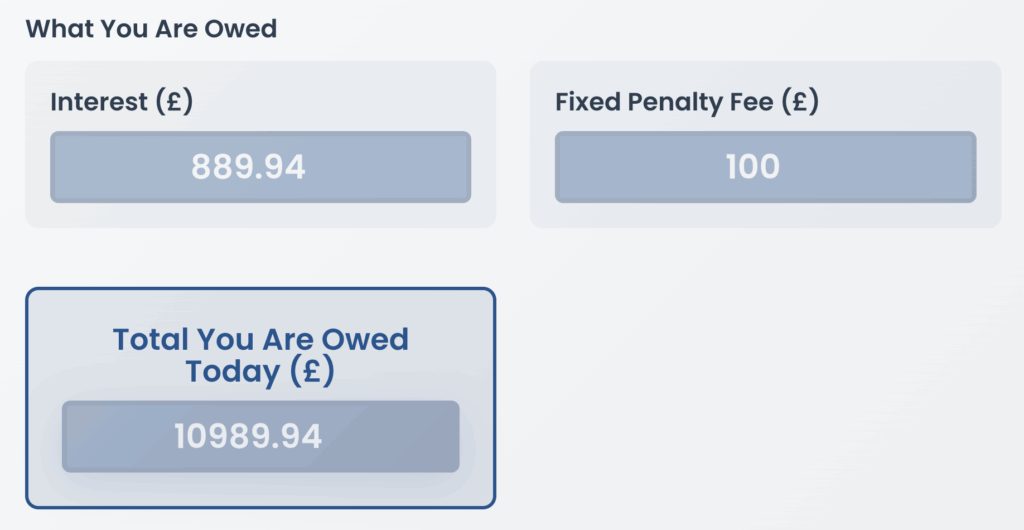
After that, research reputable debt collection agencies, paying close attention to their track record and genuine customer reviews.
Debt collection agencies often work on a no recovery, no fee basis.
No Cost. No Obligation.
100% Confidential.
How to Chase an Unpaid Invoice From a Non-UK Client
If your client is not in the UK, you’ll need to find a debt collection agency that specialises in international debt recovery.
Safe Collections provides specialist cross-border debt collection and recovery services for businesses worldwide. We have a network of agents worldwide who work with us to successfully recover unpaid invoices, and we can help no matter where your debtors are located.
No Cost. No Obligation.
100% Confidential.
How Much Does It Cost to Recover an Unpaid Invoice?
As the creditor, recovering an unpaid invoice often doesn’t cost anything. As Sid Home explains:
Recent updates to UK late payment legislation now allow for the addition of “reasonable costs” for pursuing overdue invoices on any invoice issued after the 16th of March 2013. This means the financial costs of any such third party collection should be recoverable from the debtor on any invoice issued after that date.
If your client won’t pay, you can claim charges, essentially making the collection “no win no fee” – or, as we prefer to call it, “no collection = no commission”.
Where Can I Get More Advice About Handling Bad Debts?
For more information, we recommend the Managing Cashflow series of guides produced by the Institute of Credit Management in association with the Department for Business Innovation and Skills.
- When a client won’t pay, read the guide When All Else Fails
- The full series of guides can be found on our blog
If you’re dealing with unpaid invoices and unsure of the best approach, Safe Collections can help. Our team specialises in commercial debt recovery and can advise on the most effective strategy for your specific situation. Get in touch today for a free claim review.
